Ice on Your AC Unit in Autumn? Why Frozen Coils Happen in North Carolina
The Paradox of Freezing Up During Warm Autumn Afternoons
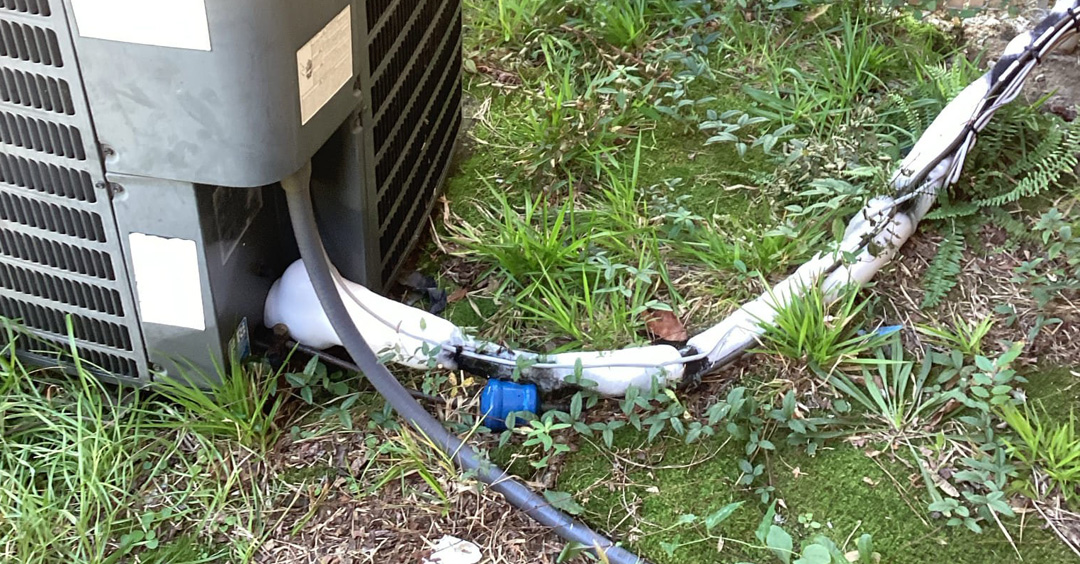
In Harnett and Hoke counties, autumn weather rarely behaves predictably. Afternoon highs can easily prompt your air conditioner to kick on, while evenings bring crisp, chilly breezes. Homeowners are often stunned to walk out to their outdoor unit or check their indoor air handler only to discover copper lines encased in solid ice. While ice feels like an indicator of extreme cooling, it is actually a symptom of severe operational distress.
The Culprits: Clogged Return Filters and Restricted Condensate Lines
Your air conditioning system does not create cold; it absorbs heat from your indoor air using refrigerant flowing through evaporator coils. For refrigerant to boil and absorb that heat properly, a steady volume of warm return air must continuously wash across the coils. If your return air filters are coated in dust, pet hair, and dander, that essential airflow drops drastically.
Without warm air passing through, refrigerant cannot evaporate properly. The coil temperature plunges below thirty-two degrees, causing ambient condensation to freeze on contact. Layer by layer, ice builds until airflow is completely blocked.
A secondary issue frequently seen on service calls is a blocked condensate drain line. High summer humidity leaves algae and silt settled inside drainage traps. When that line chokes, standing moisture backs up, sensors trip, or excess moisture freezes along the pan assembly. Running a frozen system forces your compressor to work under immense hydraulic strain, which can lead to complete mechanical failure costing thousands to replace.
What to Do If Your System Freezes
If you spot frost or ice on your system, take these steps immediately:
- Turn the thermostat cooling setting to OFF.
- Switch the fan setting to ON to circulate room-temperature air across the coil.
- Check your return air filter and replace it if dirty.
- Place towels around the indoor air handler base to catch meltwater.
- Do not scrape ice off the coils with tools, which easily punctures soft aluminum fins.
Once thawed, call a certified HVAC technician to check refrigerant charges, inspect static airflow pressure, and thoroughly clear the condensate trap.
Protect Your Cooling Investment with Haire Mechanical
Whether you are in Lillington, Raeford, or Fayetteville, our certified technicians are on call 24/7.
Call Haire Plumbing & Mechanical at (910) 390-1742 or request service online at haireplumbing.com.