When Fayetteville’s winters arrive, dropping temperatures can create more than just an inconvenience—they can threaten your plumbing. Anyone who has seen the aftermath of a burst pipe knows how quickly water damage, repair bills, and stress add up. Responding quickly and knowing what to do right away can make a lasting difference for your safety, comfort, and the protection of your home or business. Over the years, we have seen countless families through these emergencies and know firsthand how important the right strategy is, especially during a cold snap.
What Causes Pipe Bursts in Fayetteville Homes During Winter?
Sudden, harsh cold fronts are no strangers to Fayetteville. When temperatures dip below freezing, water inside plumbing can freeze and expand. This extra pressure leads to cracks or ruptures—especially in pipes located in crawl spaces, attics, exterior walls, or unheated garages. Fayetteville homes built several decades ago or with minimal insulation are particularly at risk because older plumbing systems often lack modern protections like insulated sleeves or heat tape.
Different materials also react to cold in unique ways. Copper pipes can contract and expand with temperature shifts, eventually splitting at weak joints or soldered connections. Polyethylene and PEX pipes, while more flexible, may still burst if exposed or poorly supported. Age-related wear and corrosion in galvanized steel pipes add further vulnerability, making routine maintenance an important step for those with aging infrastructures.
Local climate and construction standards play important roles as well. Fayetteville’s mix of mild winters with occasional deep freezes can catch homeowners off guard. Prolonged cold snaps or unexpected temperature drops strain unprotected systems and expose previous “quick fixes” or outdated repairs. Knowing which areas of your property contain the most vulnerable piping can help you take preventative steps before winter weather arrives.
What Should You Do Immediately After Discovering a Burst Pipe?
When you spot water pooling or streaming unexpectedly, act without delay to limit further damage. Safety comes first. Head straight to the main water shut-off valve and turn it clockwise to stop the flow. Most Fayetteville homes have this valve near the water meter, basement, or outside at the property line. If water is threatening electrical outlets or appliances, turn off the corresponding circuit breakers. Only attempt this if you can reach the breaker box without stepping in water, as this avoids the risk of shock.
With the water halted, open several cold water taps to drain residual water and help relieve pressure from the rest of the system. Quickly remove valuables and electronics from the affected area, and use towels or a wet/dry vacuum to begin collecting excess water. If water has made contact with ceilings or floors above basements or lower levels, monitor those areas closely, as hidden leaks can travel through insulation and worsen long-term damage.
Document everything for future reference by taking photos of visible water damage and the suspected origin of the burst. List the items that have been affected, including flooring, personal belongings, and any structural impacts. This record can streamline insurance claims or facilitate clear communication with your repair team. Refrain from extensive DIY patching on pressurized or hidden pipes—temporary fixes may cause leaks to return or complicate professional repairs later.
How Do You Track Down the Source of a Broken Pipe?
Finding where a pipe has burst is not always as simple as following the puddle. Water tends to travel along framing, wiring, or flooring before pooling, often disguising the true location. Start by tracing the most saturated areas, such as under sinks, near the water heater, behind appliances, or around heating systems. In multi-story homes, check directly beneath water-damaged ceilings for signs of dripping, staining, or bubbling paint. Listen for the tell-tale hissing, dripping, or rushing sounds that indicate active leaks inside walls or in crawl spaces.
Use a flashlight to inspect less obvious areas like crawl spaces or attics. Pipes in these unheated zones are often the first to freeze and break, especially if they run close to exterior walls with inadequate insulation. Homeowners in Fayetteville should pay extra attention to utility rooms, garages, and exterior hose bibs, as these vulnerable spots commonly experience pipe freeze and rupture during local cold spells.
If you are unable to locate the leak, avoid damaging your own walls or flooring trying to guess. Professional plumbing teams can use advanced tools such as moisture sensors, thermal imaging cameras, and acoustic leak detection to pinpoint even the smallest breaches with minimal disruption. Accurate detection saves time, reduces destruction, and speeds up the restoration process for your home or business.
Where Are Water Shut-Off Valves in Typical Fayetteville Properties?
Every minute counts during a burst pipe emergency, so knowing where your shut-off valves are can save valuable time and limit the impact of a leak. For most Fayetteville homes, the main water shut-off is located near the property’s perimeter, either inside a basement, crawl space, garage, or just outside near the water meter. Look for a round or lever-style handle and practice turning it as part of your winter preparedness plan. If a valve seems rusted or stuck, request a plumbing inspection before serious weather hits.
Beyond the main shut-off, properties often include localized shut-off valves under sinks, behind toilets, and next to appliances like washers or water heaters. Shutting these off can isolate smaller leaks or allow limited water use in parts of the home during repairs. Familiarize yourself with all the accessible valves and labeling their locations can help anyone in the home or business react quickly if you are not present.
Residents in older neighborhoods or multi-unit buildings may need to check with landlords, building managers, or HOA representatives regarding specific access points or unit shut-offs. For commercial properties, shut-off valves are often housed in maintenance closets or near the incoming water service line. Understanding the layout and communicating this to family or staff members ensures a fast response if pipes freeze or rupture during a cold Fayetteville night.
How Should You Respond to Water Damage After a Pipe Bursts?
Stopping the water flow is only the beginning. Left untreated, water damage continues to escalate as it seeps behind walls, under flooring, and into insulation. Begin cleanup with towels, mops, and a wet/dry vacuum, focusing on the areas with the most standing water. Remove waterlogged items such as throw rugs, clothing, and small electronics, and move undamaged furniture to a dry location. If necessary, prop up large pieces with blocks to keep them off wet floors.
To counteract mold growth, increase airflow by opening windows, running fans, and setting up dehumidifiers in damp rooms. If it is safe to do so, increase the heat in your home to speed up evaporation, but avoid using space heaters near standing water or wet electrical devices. Mold and mildew can begin forming within 24 to 48 hours, especially in concealed spaces like wall cavities, under baseboards, and in cabinets.
Make a written list of all items and building materials affected, from carpet and drywall to personal electronics. Photograph everything before removing debris for insurance documentation. Quick, thorough documentation and early cleanup limit further damage and smooth out the repair process with your plumber and insurance provider. For severe flooding or if you suspect contamination, consider water remediation professionals who can safely handle hazardous materials and larger restoration jobs.
When Should You Contact a Licensed Plumber for Pipe Burst Repair in Fayetteville?
Not every leak requires an immediate professional, but any burst pipe does. If water will not stop after you turn off local valves, if leaks are hidden in walls or under floors, or if you notice significant flooding, call a licensed plumber without delay. Also reach out if multiple pipe bursts occur, if the property is commercial or multi-family, or if the plumbing system is older and may not meet current codes. Time is crucial; delaying repairs increases risks of mold growth, damaged wiring, and escalating repair costs.
Choose a plumber licensed in North Carolina with proven experience in Fayetteville and the surrounding region. Plumbers from Haire Plumbing & Mechanical respond to emergencies 24/7 and know the specific challenges Fayetteville homeowners face—like older housing stock, local freeze patterns, and area-specific plumbing layouts. A prompt, efficient response can mean the difference between a minor inconvenience and major, costly restoration work.
When you call, describe the problem’s severity and share any details about your property’s unique plumbing system. This helps the repair team plan for access and arrive with the correct equipment. Technicians with extensive background in winter pipe burst repair in Fayetteville come prepared and communicate openly about the repair process, so your family knows what to expect and how long it may take to restore safe water service.
What Happens During the Pipe Burst Repair Process?
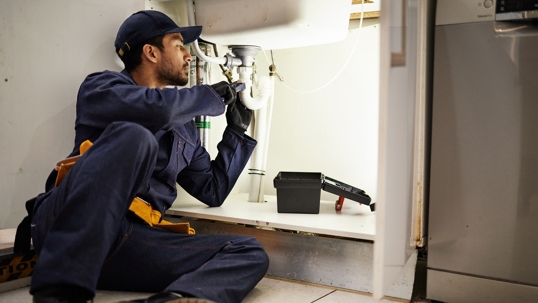
The repair journey begins with a thorough assessment using leak detection tools and visual examination to accurately locate pipe damage. After ensuring all water is drained from the affected section, the plumbing team cuts away the broken pipe, leaving clean edges to receive the new segment. Careful inspection determines whether additional pipe sections, connectors, or valves have sustained damage during the burst.
Replacement materials are chosen based on your current plumbing system and the pipe’s location. Modern solutions typically involve copper, PEX (cross-linked polyethylene), or CPVC piping. Techniques such as soldering, crimping, or solvent welding secure joints and create watertight seals. In some situations, rerouting plumbing, upgrading insulation, or repositioning problematic pipes prevents future issues—especially if homes have a history of winter-related plumbing breaks.
Once installed, technicians perform a pressure test to confirm all seals hold and the repaired line operates without further leaks. Repairs conclude with flushing and cleaning the system to remove air and debris before restoring water flow to the property. Professional plumbers finish by cleaning the immediate area, sharing repair documentation, and explaining any next steps for ongoing protection or additional updates if required by local code or insurance.
How Much Does Pipe Burst Repair Cost in Fayetteville, and What Factors Influence Price?
Repairing burst pipes in Fayetteville can cost anywhere from several hundred to several thousand dollars depending on key factors—the section’s accessibility, pipe material, extent of water damage, and the complexity of the repair. More accessible, above-ground pipes come with lower labor costs, while broken pipes behind walls, under concrete floors, or in tight crawl spaces require demolition and restoration, adding time and expense to the project.
The materials—copper, PEX, or CPVC—impact both the cost of parts and the time required to make secure connections. Older homes may also require additional upgrades or code-compliant changes to valves and supports. In severe winter events, demand for plumbing services can temporarily raise rates, and if flood waters damage electrical, flooring, or drywall, costs grow as restoration teams are brought in for cleanup and rebuild efforts.
Always request a detailed written estimate that outlines all possible phases: diagnosis, repair, cleanup, and restoration. Reliable providers, including Haire Plumbing & Mechanical, will discuss the reasons behind pricing, answer questions about unforeseen issues, and offer information about financing options for more extensive repairs. This transparency helps you prepare for unexpected expenses and ensures you are only billed for necessary services.
Does Homeowners Insurance Cover Water Damage from Burst Pipes in Fayetteville?
Most homeowners policies in North Carolina will cover sudden water damage resulting from a burst pipe. Coverage usually extends to structural repairs of walls, floors, and belongings but often excludes the repair of the pipe itself—especially if the damage is due to long-term neglect or noncompliance with local codes (such as leaving interior temperatures dangerously low in freezing conditions). Exclusions and details can vary, so reviewing your policy with your provider makes sense before emergencies happen.
Document every part of the incident thoroughly. Take clear photos, keep receipts for all mitigation efforts, and prepare a timeline of when you shut off the water and contacted your insurer or plumber. Sharing this information with your adjuster gives your claim a stronger foundation and increases the likelihood of approval for legitimate damages. Policies may also include special provisions for secondary damage like mold or electrical repairs, depending on your coverage tier.
Working with a plumbing company that understands North Carolina insurance documentation is invaluable. Haire Plumbing & Mechanical regularly assists homeowners by providing detailed reports and repair invoices that meet insurance requirements. While policies vary and outcomes are not guaranteed, a collaborative approach with your plumber and insurer will streamline the claims process and help restore your home as quickly as possible.
How Can Fayetteville Residents Prevent Burst Pipes During Freezing Weather?
Proactive prevention is key to minimizing winter plumbing emergencies. Prioritize insulating all exposed pipes in attics, crawl spaces, and garages with foam sleeves, pipe wrap, or heat tape. For finished living spaces, check under sinks and along exterior walls for any cold drafts and seal gaps with weatherstripping or caulk. Even a small reduction in exposure can make a big difference during deep freezes in Fayetteville.
During cold nights, let a slow trickle of water run from at-risk faucets to keep liquid moving through pipes and reduce the likelihood of freezing. On especially frigid days, open cabinets beneath sinks to expose pipes to your home’s warm air, preventing temperature drops that cause ice blockages. If you plan to travel or leave home for an extended period, set your thermostat to at least 55°F and have a friend or neighbor periodically check on your property.
Consider installing smart water leak and freeze sensors to catch problems the moment they start. Many models can alert your phone instantly if water appears in an unusual spot or if the temperature falls below critical thresholds. A combination of insulation, active monitoring, and early response dramatically reduces the risk of pipe burst repair needs in Fayetteville and keeps your home or business safer all winter long.
How Haire Plumbing & Mechanical Supports Fayetteville Families with Emergency Pipe Burst Repairs
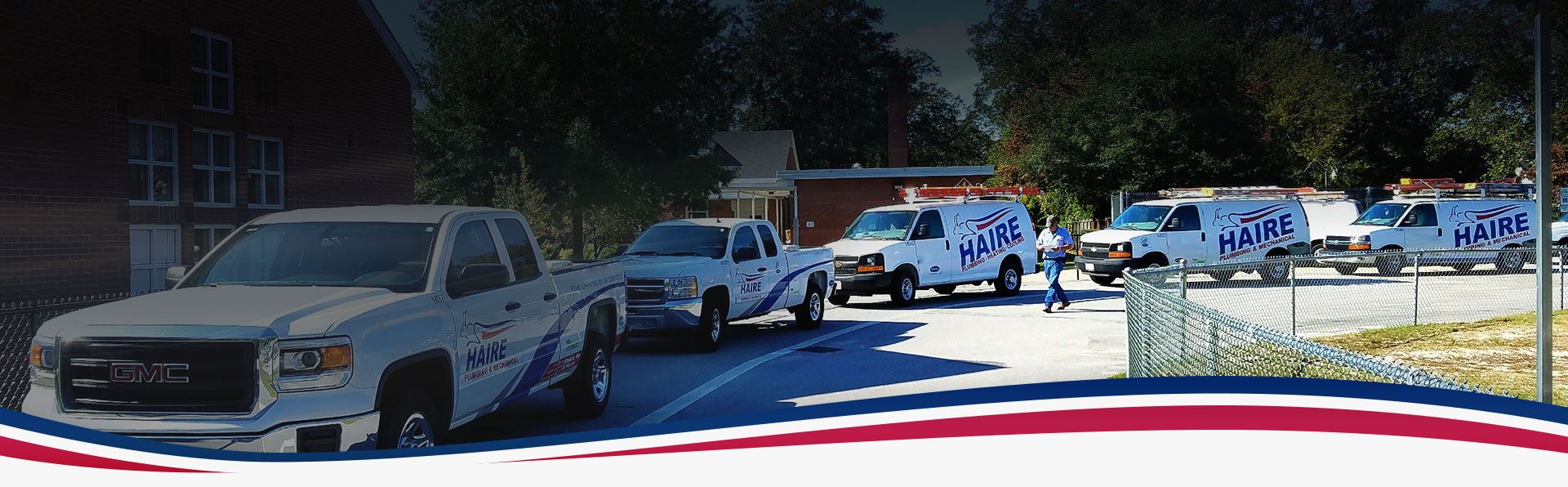
At Haire Plumbing & Mechanical, we have served Fayetteville since 1947, combining a family- and veteran-owned perspective with decades of real-world winter plumbing knowledge. We understand how Fayetteville’s unique climate, aging housing stock, and strong military presence shape the needs of our community. Our team responds 24/7 in fully equipped vehicles, offering disciplined, respectful, and efficient service right when urgent plumbing problems threaten your comfort and safety.
When you call, we communicate clearly, answer questions, and explain what steps are involved in a repair—not just in general terms, but as applied to your home or business. Our reputation for safety and integrity rests on our affiliations with professional organizations and a focus on clean work practices. From the initial call to project wrap-up, we take pride in leaving your home tidy, your questions answered, and your concerns addressed.
We offer flexible financing and provide detailed documentation for insurance claims, making unexpected repairs less of a burden. As neighbors and longtime members of the Fayetteville community, we aim for every winter service call to bring peace of mind, knowing your property is in caring hands with every repair we undertake.
What Local Resources Are Available for Military, Veterans, and Seniors Facing Pipe Bursts?
Fayetteville’s commitment to military families and seniors goes beyond words—it is reflected in the local service offerings and support networks available. Many companies, including Haire Plumbing & Mechanical, honor veterans, active service members, and seniors with helpful discounts to offset unanticipated repair costs. We understand the unique responsibilities that come with frequent deployments, health limitations, or fixed budgets during stressful times.
Military families on base or in off-base housing often face sudden plumbing emergencies during freeze events. We prioritize communication, provide clear windows of service, and make every effort to restore normalcy fast, whether the homeowner is on-site or coordinating from a distance. Seniors benefit from our patient, step-by-step approach and support with understanding insurance or accessing local community resources.
Additional support is available through veteran organizations, senior advocacy groups, church networks, and local assistance programs—often ready to help during Fayetteville’s harshest winters or community emergencies. If you have questions about available incentives, programs, or access to trusted plumbing resources, our team at Haire Plumbing & Mechanical is ready to connect you with the right solutions, so you never feel alone in an emergency.
Can I Use My Kitchen Sink if a Pipe Burst in the Basement?
Generally, it is best to avoid using any water fixtures until a plumber inspects your system. Continuing to use plumbing appliances can force water through damaged lines, causing further damage or even leading to backups and new leaks elsewhere.
How Quickly Can Emergency Repairs Start After I Call?
During Fayetteville’s busiest winter storms, companies offering 24/7 emergency response often begin service within a few hours. The repair team will evaluate your situation, prioritize based on urgency, and keep you updated on arrival times and next steps.
Will My Walls or Floors Need Major Repairs?
The extent of construction repairs will depend on where the pipe burst and how much water escaped. Sometimes only a small access hole is needed. For more severe or prolonged flooding, drywall, flooring, or insulation may require removal and replacement to prevent mold and protect your home’s structure.
If you have questions about winter pipe protection, water damage cleanup, or what to do after a burst, our team at Haire Plumbing & Mechanical is here 24/7. Call (910) 390-1742 for fast advice, answers you can trust, and caring support from your Fayetteville neighbors.